
Big Box Retailer in Iowa benefits from SAI Review of Property Tax Assessments
By Charles Young, Manager at Swartz and Associates
 Property taxes are typically the largest operating expense item for owners of commercial real estate. Prudent owners constantly are looking for ways to minimize operating expenses and engaging Swartz & Associates, Inc. (SAI) is an effective way to review this significant annual expense. At SAI, we specialize in uncovering those dollars—through our valuation analysis, strategic appeals, and an understanding of local tax jurisdictions.
- Class A Big Box Retail Store – Coralville, IA: Secured a $1.2M value reduction, resulting in $43K in real estate tax savings.
- Class B Big Box Retail Store – Dubuque, IA: Achieved a $656K value reduction, saving our client $18K in taxes.
- Class A Big Box Retail Store – Dyersville, IA: Delivered a $368K reduction, generating $9.5K in savings.
In all, SAI reviewed and successfully appealed 9 properties for our client throughout Iowa. In total, we were able to successfully generate almost $4 million dollars in market value reductions this past year.
We achieved this by implementing the concepts listed below:
- Strategy: Using market fee simple income models that reflect real-world income, expense, and capitalization rates.
- Early communication with taxing authorities: A consistent effort to reach out to the respective local County Assessor to discuss differences in opinion of value.
- Provide expert testimony to the Boards of Review: In the event we were unable to work out a valuation at the informal level, our past experience before the local Board of Review provided the necessary means to effectively present our cases.
- Client Collaboration: We worked closely with owner and the on-site managers to ensure every angle is covered.
Whether you own a single asset or manage a multi-state portfolio, property taxes are too important to ignore. If you haven’t reviewed your assessments recently, now is always the right time!
Swartz + Associates, Inc. (SAI) is a full service property tax firm specializing in the review, analysis and appeals of real and business personal property tax valuations. If you need help with your property taxes, give us a call!

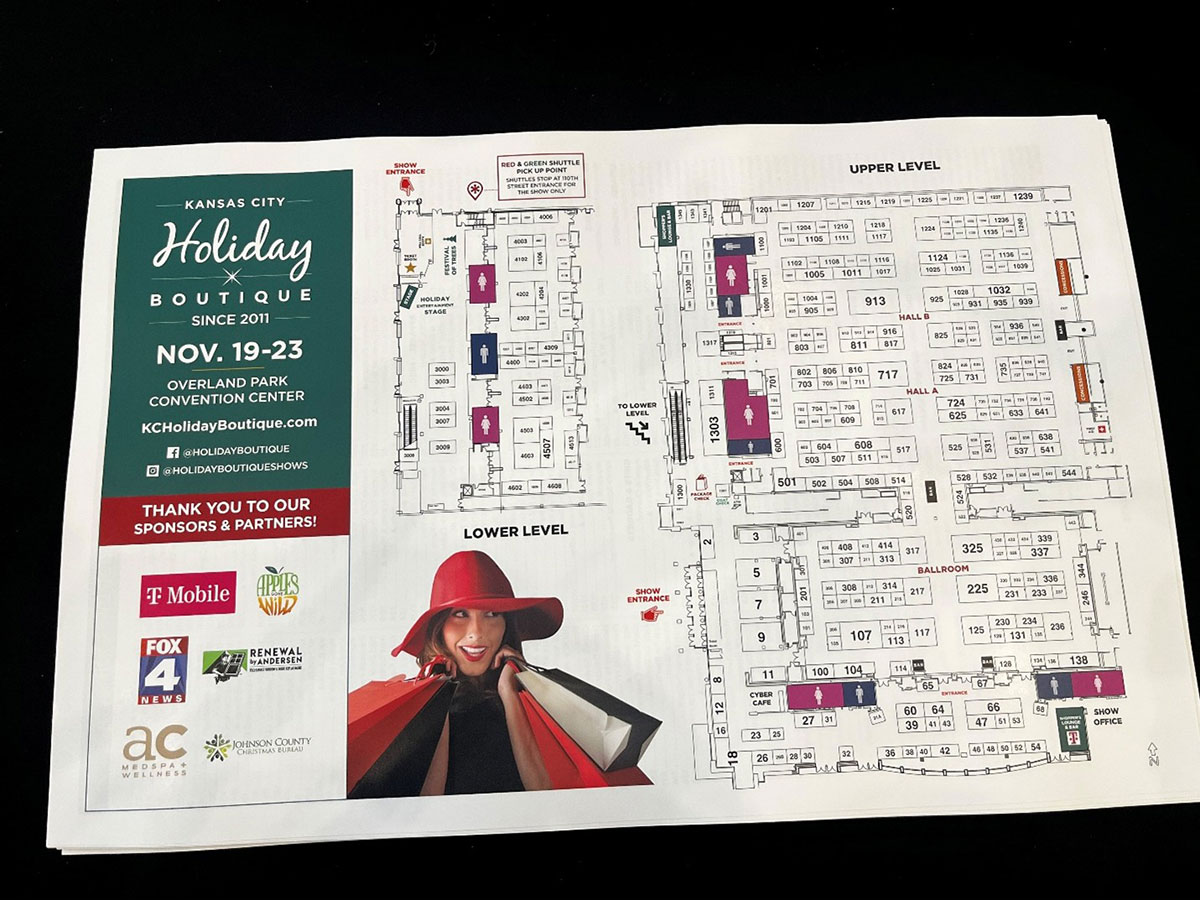


 ¡WEPA! was the greeting we received from the emcee at the beginning of the 2025 ASA International Conference in San Juan, Puerto Rico. In Puerto Rico, ¡WEPA! is a slang expression used to convey excitement, jubilation, or celebration. The emcee, a native of Puerto Rico, was using this exclamation to convey an excitement to the attendees that Puerto Rico was excited about having us visiting their community. But it was also exciting for many to reconnect with friends from other parts of the world as well as meet new ones.


 By
By 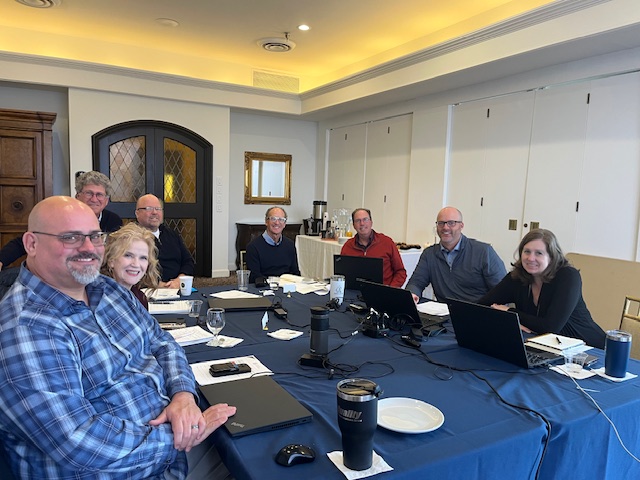
 In commercial real estate, our firm realizes that every dollar saved on property taxes goes straight to the bottom line for our clients. At Swartz & Associates, we specialize in uncovering those dollars—through our valuation analysis, strategic appeals, and an understanding of local tax jurisdictions.
 You’ve heard the saying: “Nothing is certain but death and taxes.” It’s a phrase that’s been passed down for generations, and for good reason. It reminds us that no matter how many choices we have, some outcomes are fixed. But if you’re reading this, good news—you’ve dodged one of the two for today.
 Your organization’s buildings and equipment may not be properly valued. That misvaluation could be costing you—quietly, consistently, and unnecessarily. Our team at Swartz + Associates has a strong track record of reducing costs across the U.S. in this “gotta have” category. And as someone who’s studied consumer behavior for a lifetime, I can tell you: companies love saving money. Especially when it’s done right.


 By
By