
Which One? Why the Purpose of an Appraisal Determines Equipment Value
By Gary A. Stone, ASA, Manager at Swartz and Associates
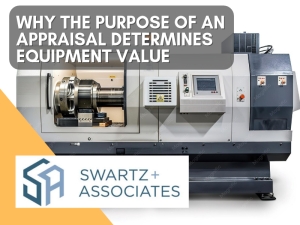 My last blog centered on how the manufacturing equipment industry is doing. I ended it with a question: “Which one?” This is also a question we ask when determining value.
Determining Scope
When a client hires us to provide appraisal services, we ask questions to determine the scope of the project. What type of equipment is being appraised? Is an inspection required? When is the appraisal due? What industry does our client operate in? And lastly, what is the purpose of the appraisal?
That last question is important because our clients depend on us to determine the appropriate type of value for the project. Most people outside the appraisal profession may not realize there are different ways to value machinery and equipment. The appropriate value depends on why the appraisal is being performed.
What is a CNC Lathe Worth?
As an example, we can take a large piece of manufacturing equipment, such as a CNC lathe. What is it worth?
NOTE: A CNC lathe is a computer-controlled machine tool that shapes material by rotating a workpiece against stationary cutting tools.
The value of a CNC lathe on the production floor, installed and fully operational, may be different from its value if it must be removed from the facility. Another factor to consider is how soon the machine needs to be sold. Is the seller in a hurry? The answers to these questions can determine a different value.
Fair Market Value
For example, mergers and acquisitions require a value that considers the equipment installed and operating as part of the business. In that situation, we use Fair Market Value—Installed or Fair Market Value in Continued Use. A bank is concerned with what the equipment will sell for if the borrower defaults. Therefore, we use Fair Market Value in Exchange and/or Orderly Liquidation Value when equipment serves as collateral for a loan. An auctioneer uses Forced Liquidation Value to estimate the amount the equipment would bring at an auction. Insurance companies require Replacement Cost because they need to cover the cost to replace their client’s equipment. A CPA firm and company management need Fair Value, as defined by Financial Accounting Standards Board (FASB) accounting standards, for financial reporting.
So, as you can see, “Which one?” is absolutely relevant when establishing the scope of work required in valuing equipment. Our clients depend on it.
Swartz + Associates, Inc. (SAI) is a full service property tax firm specializing in the review, analysis and appeals of real and business personal property tax valuations. If you could benefit from our expertise in appraisal services, please give us a call!
 Recently, I made the trip to St. Louis to see a long-time strategic partner. It had been more than a year since we last sat across the table from each other, and the timing finally lined up. We certainly talked business, but just as important, the visit gave us a chance to reconnect and keep strengthening a relationship that has served both of our organizations well for years.
 Property tax assessments for big‑box retail are climbing 8–15% a year, even though market values aren’t. That gap is quietly eroding margins, and most companies don’t realize how fast it’s happening.
 After joining Swartz + Associates full time in August, I began training to become a property tax analyst. Attending the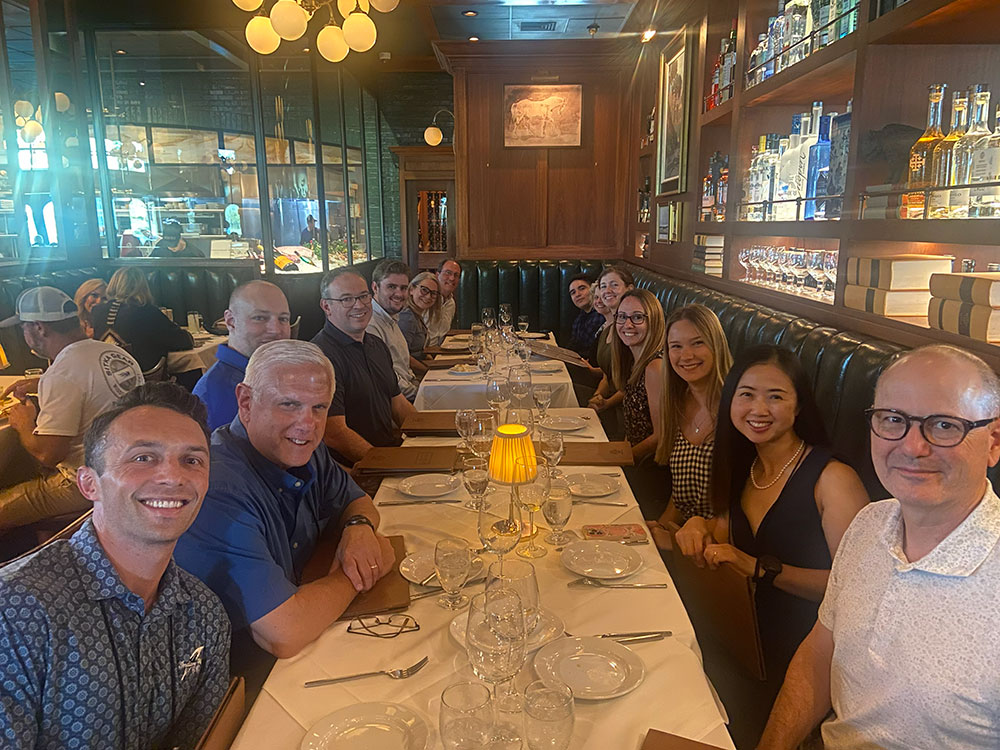

 After watching Craig lift and move a table across the stage using only the tip of his finger, I left the session thinking about the power of the human mind in today’s artificial intelligence (AI) driven world. His presentation raised a question for me: How can I keep challenging myself and grow as a learner when AI is so accessible and makes many aspects of daily life easier?
 Over the last two and half years I’ve spent more time back in my home state of Arkansas, reconnecting with companies and introducing more of them to our value‑added commercial property tax services. At the same time, living in Plano has allowed me to pursue opportunities in Texas. Seeing both markets up close has made one thing very clear: the way commercial properties are valued and appealed in Texas and Arkansas is fundamentally different.
 Regardless of your affinity for World Cup soccer, the 2026 tournament brought Kansas City unprecedented global exposure. And while every sector felt the impact, no industry anticipated — or ultimately experienced — a revenue surge quite like hospitality.
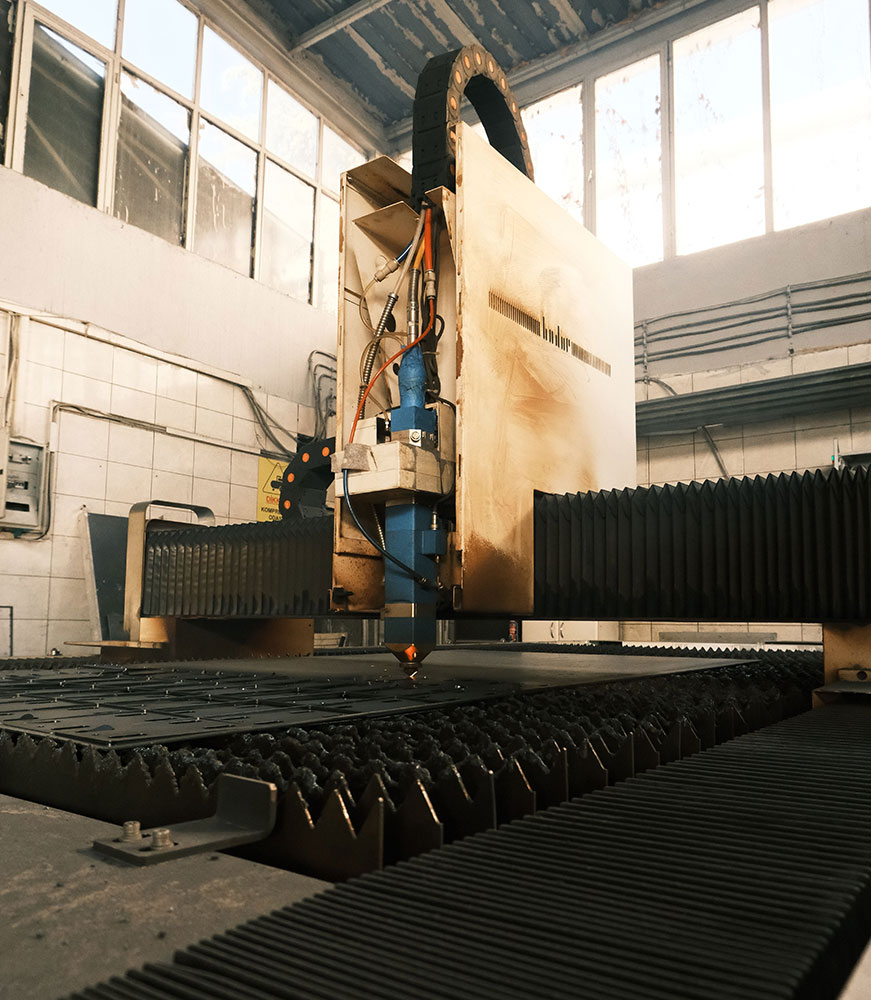
 Recently, I had lunch with an associate who asked me, “How is the market?” My first response was, “Which one?” That led to a short conversation about the manufacturing industry and, ultimately, the topic for this blog. When it comes to used manufacturing equipment, there really isn’t one market. Demand can vary significantly depending on the type of equipment, industry, age, technology, and even the particular make and model.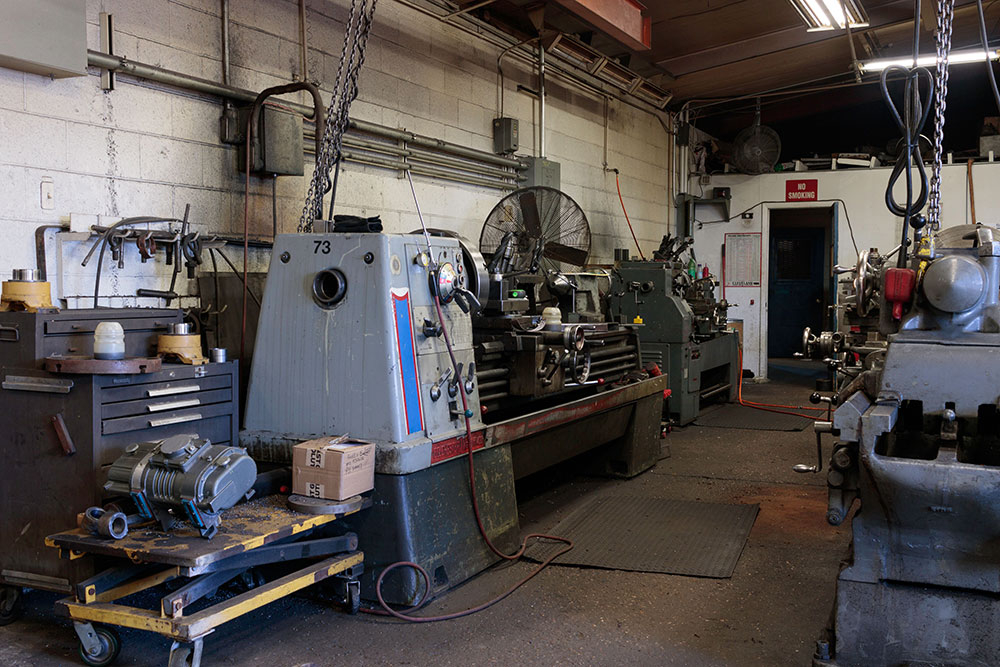











 If you own or occupy big box or mid box retail, you already know the challenge: assessments often come in far above market reality. In